Retro Book: A Font That Dances with Charm
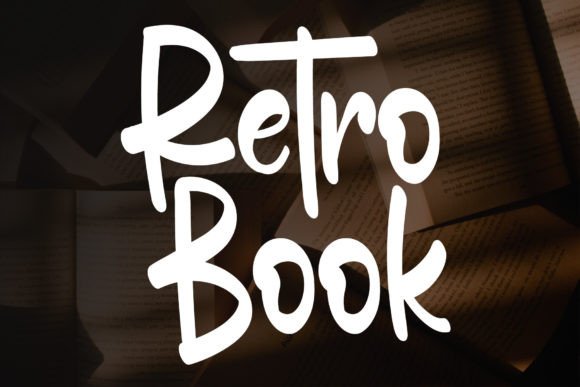
Imagine a typeface that doesn't just sit on the page but playfully dances across it, infusing every project with an instant dose of warmth and personality. That’s the unique magic of Retro Book, a sweet and cute handwritten display font. Featuring characters that dance along the baseline, this font will add a fun spark to any design project you wish to create. In the world of graphic design, where first impressions are paramount, choosing the right typography is a critical decision that shapes a brand's entire voice. Retro Book offers a compelling solution for designers, marketers, and creators seeking to inject authenticity and approachable charm into their visual communication.
The Role of Handwritten Fonts in Modern Branding
Today's design trends often lean towards modern aesthetics that feel human and relatable. In a digital landscape saturated with clean, geometric sans-serifs, a carefully chosen handwritten font like Retro Book can be a powerful differentiator. It helps establish a unique brand identity by conveying specific emotions—nostalgia, friendliness, creativity, and sincerity. This font excels at creating a strong visual hierarchy, drawing the eye to headlines, call-to-action buttons, or key brand messages where a personal touch is needed most. Its value lies in its ability to make a brand feel less like a corporation and more like a trusted friend.
Practical Applications Across Creative Projects
The versatility of Retro Book allows it to enhance a wide array of creative assets and design projects. Its playful yet legible letterforms make it adaptable for both digital and print design, ensuring a cohesive experience across all touchpoints.
Strengthening Brand Identity and Logo Design
For businesses aiming for a friendly, artisanal, or whimsical brand personality, Retro Book can serve as the cornerstone of a logo design. It works exceptionally well for boutique shops, cafes, lifestyle blogs, children's brands, and creative studios. When used in a logo, it immediately sets a welcoming tone. To ensure scalability, it's often paired with a simpler, highly legible font for body text, creating a balanced and professional presentation.
Enhancing Marketing and Social Media Graphics
In digital marketing and social media graphics, stopping the scroll is everything. A headline set in Retro Book can add a burst of personality to Instagram posts, Facebook ads, and Pinterest pins. Its inherent charm makes content feel more engaging and shareable. Use it for quotes, promotional banners, or event announcements to create graphics that feel handcrafted and authentic, boosting user engagement and fostering a stronger connection with your audience.
Elevating Editorial and Packaging Design
In editorial design, such as magazines or blog headers, this font can break up dense text and add visual interest to chapter titles or pull quotes. For packaging design, it’s a natural fit. Imagine Retro Book gracing the label of a homemade jam, a craft candle, or a children's book. It communicates care, quality, and a story behind the product, significantly enhancing the unboxing experience and shelf appeal.
Tips for Effective Typography Implementation
Integrating a display font like Retro Book into a design system requires thoughtful consideration to maintain clarity and impact. Here are a few actionable tips:
- Pair with Purpose: Balance its decorative style with a clean, neutral font for body copy. This ensures readability while allowing the display font to shine in headlines and highlights.
- Consider Your Audience: Ensure the font's playful character aligns with your target audience's expectations. It’s perfect for casual, lifestyle, and creative sectors but may not suit formal corporate contexts.
- Test for Readability: Always check legibility at various sizes, especially for web design and UI elements. Use it for short bursts of text where its personality can be appreciated without hindering user experience (UX).
- Maintain Consistency: To build a strong brand identity, use Retro Book consistently across chosen applications. Define in your brand guidelines where and how it should be used to create a unified and professional look.
Ultimately, the fonts we choose are silent ambassadors for our creative vision. Selecting a quality asset like Retro Book